How Hollywood Could Win the BBC Tender to Produce Doctor Who . . .
The TARDIS doors may be locked until the absolute earliest of 2028, but behind the scenes the corporate battlefield is fully active.
With Russell T Davies and Bad Wolf officially departing the series, and BBC Studios boss Zai Bennett confirming that the BBC is entirely committed to a long-term future for Doctor Who, all eyes are on the upcoming competitive tender process.
Naturally, the rumor mill is spinning out of control. We’ve all seen the bombshell reports originally published in The Times and analyzed by CultBox claiming that Hollywood powerhouse Dean Devlin (Independence Day, Stargate) and his studio, Electric Entertainment, are already “in talks” with the BBC.
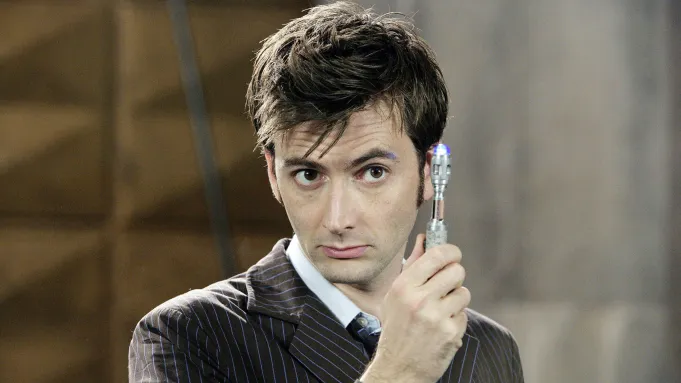
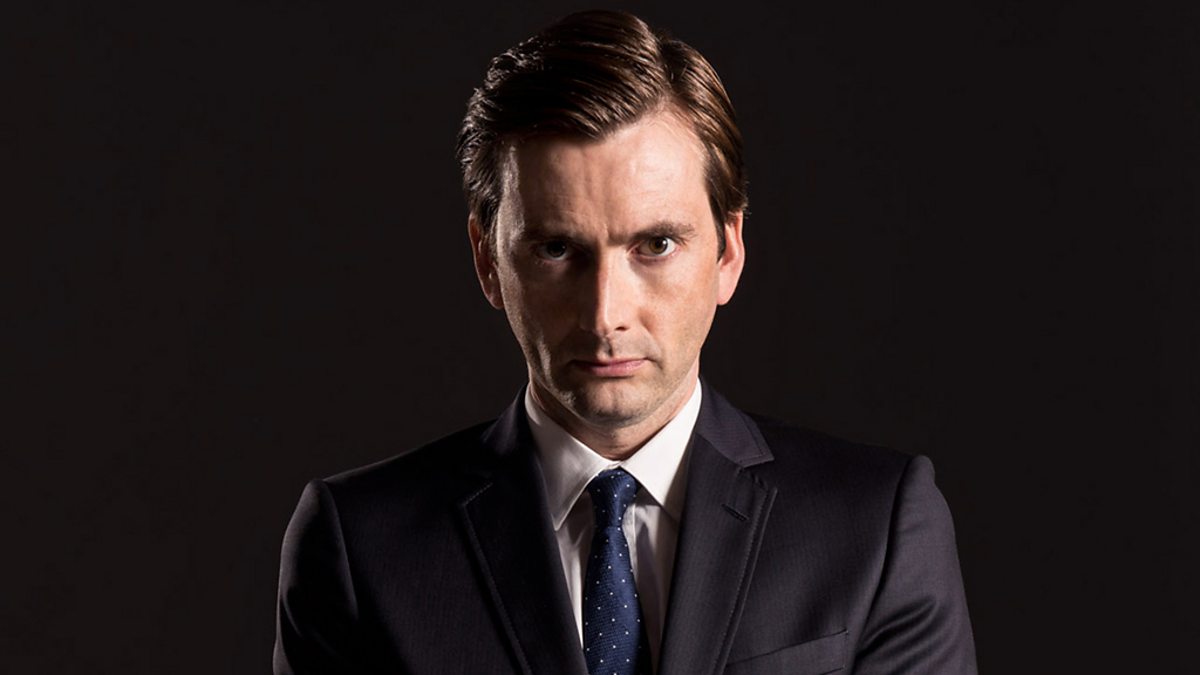
Even more shocking are the whispers that David Tennant is the prime target to anchor the pitch, with rumours that he has already been approached to gauge his interest in returning to the role yet again.
Predictably, the fandom has erupted. Half the timeline is screaming in excitement over a potential blockbuster budget, while the other half is pointing out that a premature negotiation like this would be a massive, unethical violation of the BBC Charter.
So, what is actually going on . . .
Can Devlin really pitch a David Tennant relaunch right now, or are these reports running directly into a legal brick wall?
Why This Isn’t Like the 2021 Bad Wolf Deal
To understand why these rumors are raising eyebrows, we have to look back at how Bad Wolf took the wheel in 2021. Many fans assume Devlin is just trying to replicate that exact transition.
But the rules have fundamentally changed . . .
In 2021, Doctor Who bypassed a public, competitive bidding war entirely through a direct co-production agreement.
Because the show was legally owned and produced by BBC Studios—the BBC’s commercial, for-profit arm—they were legally allowed to form a private, commercial partnership with Bad Wolf behind closed doors. BBC Studios simply outsourced the day-to-day physical production.
Fast forward to today: the massive Disney+ co-funding era has ended, and the BBC has officially triggered a formal “intent to tender” for Season 16.
This means the show must be offered as a work-for-hire contract to the entire independent production market simultaneously.
Under public procurement law, the closed-door handovers of the past are dead. In fact, BBC Studios has to enter the bidding war as a regular competitor just like everyone else.
The Tennant Factor . . .
Nostalgia vs. Fatigue
The inclusion of David Tennant’s name in the report acted like a lightning rod across Doctor Who forums and social media.
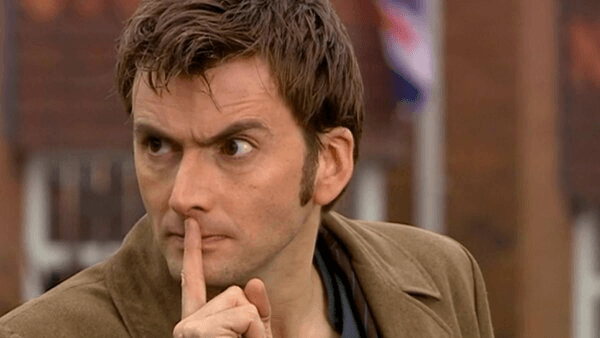
On one hand . . . (pun intended), Tennant is the undisputed golden boy of the modern era; his brief return for the 60th Anniversary specials brought a massive ratings spike and reminded the world of his effortless chemistry with the role.
For a contingent of fans, especially those worried about the show’s current global footprint, the idea of an American-backed, high-budget “Tennant Era 4.0” feels like a guaranteed way to steady a rocking ship.
Yes, we say 4 . . .
True Whovians know that if Devlin gets his way, this wouldn’t just be Tennant’s third era—it would technically be his fourth time taking the reigns.
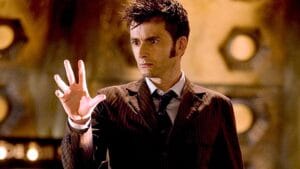
If you count his original 2005 debut, his infamous in-universe stunt of channeling regeneration energy into his own severed hand in Journey’s End, and his 2023 return as the Fourteenth Doctor, Tennant has made an absolute art form out of hogging the TARDIS wardrobe.
But on the other hand (pun absolutely intended), a massive wave of fan fatigue has hit the community.
Many viewers feel that leaning on Tennant yet again would be a creative admission of defeat, signaling that the franchise is entirely incapable of moving forward without its favorite safety blanket.
Fandom consensus online quickly highlighted that Doctor Who’s core superpower is regeneration and reinvention. Constantly hitting the “Break Glass in Case of Emergency” button on the Fourteenth Doctor risks undermining Ncuti Gatwa’s legacy and shrinking a vast, infinite universe into a repetitive loop of mid-2000s nostalgia.
The Myth of the Private Pitch
This brings us back to the Dean Devlin and David Tennant rumors.
Let’s squash the biggest misconception: No independent production company can privately pitch creative concepts, scripts, or casting choices to the BBC right now.
Because Doctor Who is heavily funded by the British public and governed by a strict BBC Charter, the moment a competitive tender is announced, it triggers massive anti-collusion and anti-bias frameworks.
The BBC is legally obligated to maintain an absolute level playing field. If a BBC executive sat down for a private coffee with Devlin to look at a treatment or discuss bringing Tennant back to boost ratings, it would grant Electric Entertainment an unfair information advantage.
The consequences?
The entire tender process could be voided, and the BBC would face multi-million-pound lawsuits from rival bidders.
Unsurprisingly, when pressed on the matter by Radio Times, Devlin himself directly clarified the situation on 11 August 2026: “It is untrue that we have had negotiations with the BBC. Preliminary or otherwise. When the proper time comes when they are prepared to speak with people, we certainly hope to have a discussion with them.”
The Right to Pre-Assemble a Bid (The Studio-to-Talent Loophole)
But we need to be precise about what the rumor actually claims. We do not know if the BBC has been formally pitched anything yet. Instead, the speculation centers on Devlin—who famously directed David Tennant in the 2018 thriller Bad Samaritan . . . leveraging his personal Hollywood connections to build a massive bid.
Is a move like this an explicit breach of the BBC Charter, or are we simply witnessing a masterclass in exploiting legal grey areas?
When you strip away the frantic forum threads, there are legal mechanisms that explain how this sort of David Tennant groundwork can happen right now without breaking a single procurement law.
While the BBC is legally locked down and cannot have private creative discussions with production companies, outside studios face no such restrictions.
Under standard UK bidding frameworks, a company like Electric Entertainment is fully entitled to pre-assemble its entire “dream team” in private. In fact, to submit a winning bid later this year, they must prove to the BBC that they have the creative infrastructure and star power ready to go.
Because David Tennant has a strong working relationship with Devlin, Devlin would simply be playing smart corporate chess. Securing a tentative “yes” from a global star like David Tennant is a classic Hollywood tactic; it allows a studio to attach a massive commercial asset to their application framework long before they ever submit it to the BBC eSourcing Portal.
Preliminary Market Engagement . . . What Is Allowed?
The second half of the controversy involves the reported general chats surrounding the BBC. Critics argue that any dialogue prior to the ITT grants an unfair advantage. However, public procurement law explicitly leaves the door open for a process called Preliminary Market Engagement (PME).
Before the BBC can publish a massive tender for a flagship brand like Doctor Who, they are legally required to test the waters of the global television industry.
They cannot design a contract in a vacuum; they have to hold general, high-level discussions with major production hubs to ensure their technical and financial expectations are realistic.
During these early market chats, the rules are rigid:
The BBC’s Boundary: Executive staff are strictly forbidden from discussing creative ideas, scripts, or specific casting choices. They cannot say, “We want David Tennant back,” or hint at a specific creative direction.
The Studio’s Strategy: A studio like Electric Entertainment can use these general market feedback sessions to signal their scale, their financial health, and their readiness to handle a top-tier sci-fi property.
The Budget:Dean Devlin’s independent studio, Electric Entertainment, typically targets lean and efficient production budgets around $15 million to $30 million per project, bypassing major Hollywood studio overheads by keeping VFX and financing in-house. To scale production flexibility, Devlin secured a $100 million credit facility with Bank of America to independently fund his film and TV slates.
As long as the BBC keeps meticulous records of these chats and eventually shares the core technical insights with all registered bidders, the boundary remains intact.
The Waiting Game for Season 16
The official, legal window for real dialogue only opens once the Invitation to Tender (ITT) is formally published on the BBC eSourcing Portal.
When that document drops, the process becomes entirely automated. Companies will download the exact creative and technical criteria the BBC is looking for, and submit their formal bids. If Devlin wants to pitch a David Tennant return, he will have to write it into a formal application document and submit it along with everyone else, completely anonymously.
So, if you hear rumors that a specific studio has already charmed the BBC executive branch with a radical new vision for the Daleks or a dream casting choice, take it with a massive grain of salt . . .
The battle for the keys to the TARDIS is a rigid legal marathon, and the real sprinting hasn’t even begun.











 This brings us back to the Dean Devlin and David Tennant rumors.

 The official, legal window for real dialogue only opens once the Invitation to Tender (ITT) is formally published on the
August 28, 2026 @ 12:48 pm
Why not let us know what you think . . .