How Hollywood Could Win the BBC Tender to Produce Doctor Who . . .
The TARDIS doors may be locked until the absolute earliest of 2028, but behind the scenes the corporate battlefield is fully active.
With Russell T Davies and Bad Wolf officially departing the series, and BBC Studios boss Zai Bennett confirming that the BBC is entirely committed to a long-term future for Doctor Who, all eyes are on the upcoming competitive tender process.
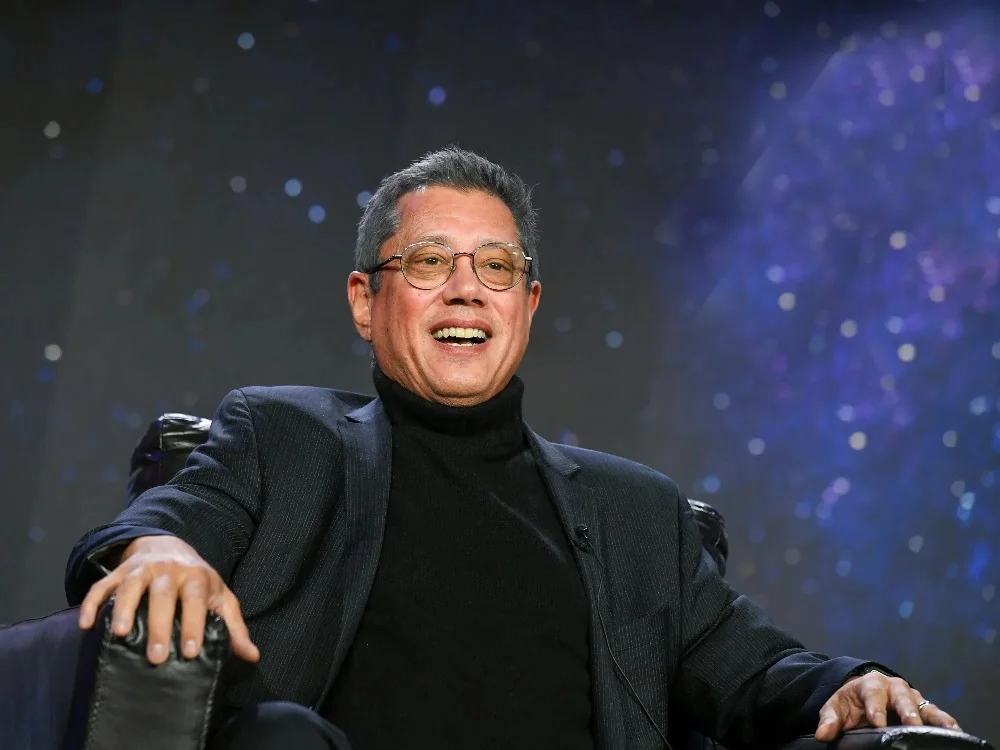
Naturally, the rumor mill is spinning out of control. We’ve all seen the bombshell reports originally published in The Times and analyzed by CultBox claiming that Hollywood powerhouse Dean Devlin (Independence Day, Stargate) and his studio, Electric Entertainment, are already “in talks” with the BBC.
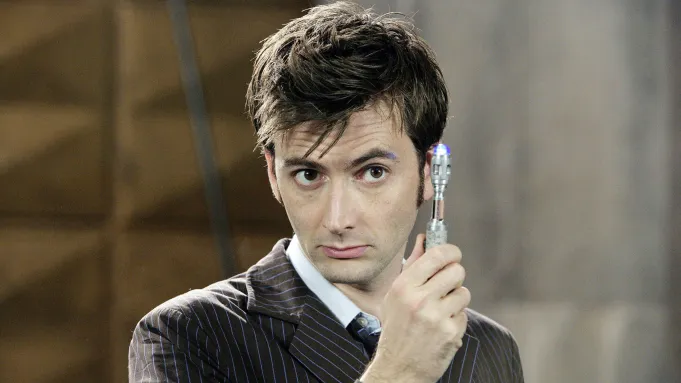
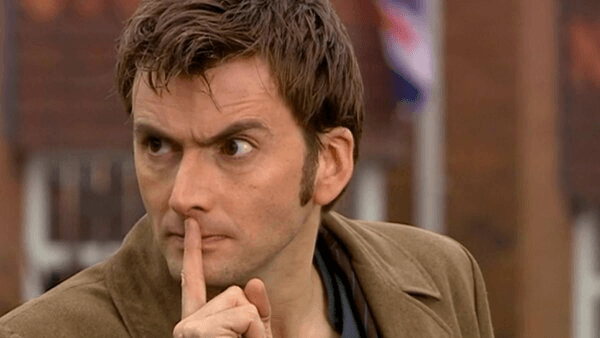
Even more shocking are the whispers that David Tennant is the prime target to anchor the pitch, with rumours that he has already been approached to gauge his interest in returning to the role yet again.
Predictably, the fandom has erupted. Half the timeline is screaming in excitement over a potential blockbuster budget, while the other half is pointing out that a premature negotiation like this would be a massive, unethical violation of the BBC Charter.
So, what is actually going on . . .
Can Devlin really pitch a David Tennant relaunch right now, or are these reports running directly into a legal brick wall?
Why This Isn’t Like the 2021 Bad Wolf Deal
To understand why these rumors are raising eyebrows, we have to look back at how Bad Wolf took the wheel in 2021. Many fans assume Devlin is just trying to replicate that exact transition.
But the rules have fundamentally changed . . .
In 2021, Doctor Who bypassed a public, competitive bidding war entirely through a direct co-production agreement.
Because the show was legally owned and produced by BBC Studios—the BBC’s commercial, for-profit arm—they were legally allowed to form a private, commercial partnership with Bad Wolf behind closed doors. BBC Studios simply outsourced the day-to-day physical production.
Fast forward to today: the massive Disney+ co-funding era has ended, and the BBC has officially triggered a formal “intent to tender” for Season 16.
This means the show must be offered as a work-for-hire contract to the entire independent production market simultaneously.
Under public procurement law, the closed-door handovers of the past are dead. In fact, BBC Studios has to enter the bidding war as a regular competitor just like everyone else.
The Tennant Factor . . .
Nostalgia vs. Fatigue
The inclusion of David Tennant’s name in the report acted like a lightning rod across Doctor Who forums and social media.
On one hand . . . (pun intended), Tennant is the undisputed golden boy of the modern era; his brief return for the 60th Anniversary specials brought a massive ratings spike and reminded the world of his effortless chemistry with the role.
For a contingent of fans, especially those worried about the show’s current global footprint, the idea of an American-backed, high-budget “Tennant Era 4.0” feels like a guaranteed way to steady a rocking ship.
Yes, we say 4 . . .
True Whovians know that if Devlin gets his way, this wouldn’t just be Tennant’s third era—it would technically be his fourth time taking the reigns.
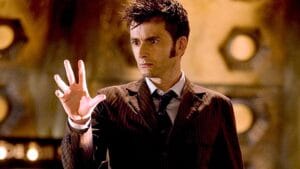
If you count his original 2005 debut, his infamous in-universe stunt of channeling regeneration energy into his own severed hand in Journey’s End, and his 2023 return as the Fourteenth Doctor, Tennant has made an absolute art form out of hogging the TARDIS wardrobe.
But on the other hand (pun absolutely intended), a massive wave of fan fatigue has hit the community.
Many viewers feel that leaning on Tennant yet again would be a creative admission of defeat, signaling that the franchise is entirely incapable of moving forward without its favorite safety blanket.
Fandom consensus online quickly highlighted that Doctor Who’s core superpower is regeneration and reinvention. Constantly hitting the “Break Glass in Case of Emergency” button on the Fourteenth Doctor risks undermining Ncuti Gatwa’s legacy and shrinking a vast, infinite universe into a repetitive loop of mid-2000s nostalgia.
The Myth of the Private Pitch
This brings us back to the Dean Devlin and David Tennant rumors.
Let’s squash the biggest misconception: No independent production company can privately pitch creative concepts, scripts, or casting choices to the BBC right now.
Because Doctor Who is heavily funded by the British public and governed by a strict BBC Charter, the moment a competitive tender is announced, it triggers massive anti-collusion and anti-bias frameworks.
The BBC is legally obligated to maintain an absolute level playing field. If a BBC executive sat down for a private coffee with Devlin to look at a treatment or discuss bringing Tennant back to boost ratings, it would grant Electric Entertainment an unfair information advantage.
The consequences?
The entire tender process could be voided, and the BBC would face multi-million-pound lawsuits from rival bidders.
Unsurprisingly, when pressed on the matter by Radio Times, Devlin himself directly clarified the situation on 11 August 2026: “It is untrue that we have had negotiations with the BBC. Preliminary or otherwise. When the proper time comes when they are prepared to speak with people, we certainly hope to have a discussion with them.”
The Right to Pre-Assemble a Bid (The Studio-to-Talent Loophole)
But we need to be precise about what the rumor actually claims. We do not know if the BBC has been formally pitched anything yet. Instead, the speculation centers on Devlin—who famously directed David Tennant in the 2018 thriller Bad Samaritan . . . leveraging his personal Hollywood connections to build a massive bid.
Is a move like this an explicit breach of the BBC Charter, or are we simply witnessing a masterclass in exploiting legal grey areas?
When you strip away the frantic forum threads, there are legal mechanisms that explain how this sort of David Tennant groundwork can happen right now without breaking a single procurement law.
While the BBC is legally locked down and cannot have private creative discussions with production companies, outside studios face no such restrictions.
Under standard UK bidding frameworks, a company like Electric Entertainment is fully entitled to pre-assemble its entire “dream team” in private. In fact, to submit a winning bid later this year, they must prove to the BBC that they have the creative infrastructure and star power ready to go.
Because David Tennant has a strong working relationship with Devlin, Devlin would simply be playing smart corporate chess. Securing a tentative “yes” from a global star like David Tennant is a classic Hollywood tactic; it allows a studio to attach a massive commercial asset to their application framework long before they ever submit it to the BBC eSourcing Portal.
Preliminary Market Engagement . . . What Is Allowed?
The second half of the controversy involves the reported general chats surrounding the BBC. Critics argue that any dialogue prior to the ITT grants an unfair advantage. However, public procurement law explicitly leaves the door open for a process called Preliminary Market Engagement (PME).
Before the BBC can publish a massive tender for a flagship brand like Doctor Who, they are legally required to test the waters of the global television industry.
They cannot design a contract in a vacuum; they have to hold general, high-level discussions with major production hubs to ensure their technical and financial expectations are realistic.
During these early market chats, the rules are rigid:
The BBC’s Boundary: Executive staff are strictly forbidden from discussing creative ideas, scripts, or specific casting choices. They cannot say, “We want David Tennant back,” or hint at a specific creative direction.
The Studio’s Strategy: A studio like Electric Entertainment can use these general market feedback sessions to signal their scale, their financial health, and their readiness to handle a top-tier sci-fi property.
The Budget:Dean Devlin’s independent studio, Electric Entertainment, typically targets lean and efficient production budgets around $15 million to $30 million per project, bypassing major Hollywood studio overheads by keeping VFX and financing in-house. To scale production flexibility, Devlin secured a $100 million credit facility with Bank of America to independently fund his film and TV slates.
As long as the BBC keeps meticulous records of these chats and eventually shares the core technical insights with all registered bidders, the boundary remains intact.
The Waiting Game for Season 16
The official, legal window for real dialogue only opens once the Invitation to Tender (ITT) is formally published on the BBC eSourcing Portal.
When that document drops, the process becomes entirely automated. Companies will download the exact creative and technical criteria the BBC is looking for, and submit their formal bids. If Devlin wants to pitch a David Tennant return, he will have to write it into a formal application document and submit it along with everyone else, completely anonymously.
So, if you hear rumors that a specific studio has already charmed the BBC executive branch with a radical new vision for the Daleks or a dream casting choice, take it with a massive grain of salt . . .
The battle for the keys to the TARDIS is a rigid legal marathon, and the real sprinting hasn’t even begun.
Billie Piper is officially returning to the Doctor Who universe this summer — not on television, but in a new audio adventure from Big Finish Productions as the long-running TV series remains on indefinite hiatus.
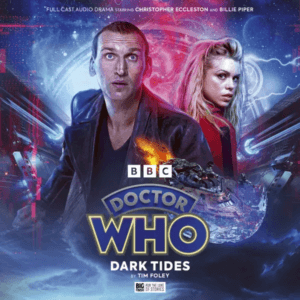
Big Finish has opened preorders for The Ninth Doctor Adventures: Dark Tides, the seventh of a planned 12 installments in its current Ninth Doctor audio run. Due in August, the release reunites Piper with Christopher Eccleston, who portrays the Ninth Doctor in these audio adventures.
Eccleston, who initially resisted any post-2005 revival appearances on screen, has been reprising his role in audio form since 2021.
Dark Tides follows the Doctor and Rose after they depart Earth and find themselves drawn into a mission involving the Knight of Atlas and the mystery of the vanished mapping ship Vesterbold. According to the official synopsis, the pair search for the long-lost vessel that sailed beyond charted space.
Writer Tim Foley and director Helen Goldwyn characterize the story as a dark, atmospheric tale — Goldwyn calling it a “brutal, gothic space adventure” that leans on folk-tale and medieval influences with a hint of pirate-story energy.
The episode’s guest cast includes Doon Mackichan as Dr. Vivian Rest, Ben Arogundade as Sir Cal, Sam Stafford as squire Mervyn, and David Shaw-Parker as Holbrook. Camille Coduri — who has returned as Jackie Tyler in previous Big Finish releases — is also part of recent audio continuity involving Rose.
Piper’s participation in the current TV era of Doctor Who is already notable: she made a surprise appearance late in the TV series’ most recent season when Ncuti Gatwa’s Fifteenth Doctor briefly regenerated into a Rose-like form, marking Piper’s first on-screen return since 2013. However, the franchise’s immediate television future is uncertain.
Plans for a 2026 Christmas special were abandoned, and showrunner Russell T. Davies along with production company Bad Wolf have departed the series. The BBC has since put the program up for competitive tender, leaving both the show’s timetable and Piper’s potential future TV involvement unclear.
For fans eager to hear Rose and the Ninth Doctor together again, Dark Tides offers a timely audio reunion while the televised series undergoes an uncertain pause.
Peter Capaldi’s Departure from Doctor Who: Concerns Over the Show’s Future Direction . . .
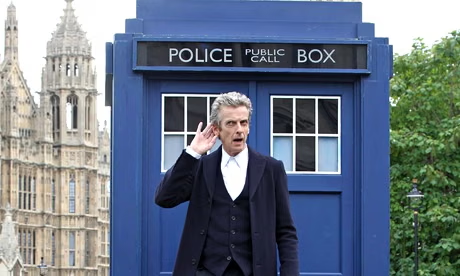
Peter Capaldi’s era as the Twelfth Doctor remains one of the most memorable and widely discussed periods in Doctor Who history . . .
Recently, Capaldi opened up about the reasons behind his decision to leave the iconic sci-fi series, revealing that concerns about the show’s future direction played a significant role . . .
In interviews, Capaldi explained that the departure of key collaborators, including lead writer Steven Moffat, companion Jenna Coleman, and producer Brian Minchin, created uncertainty about the show’s creative path. . . .
He expressed that these individuals were instrumental in shaping the series during his tenure, and their exit made him question whether the show would continue in a direction he supported . . .
Additionally, Capaldi highlighted how the increasing frequency of the Doctor’s regenerations has impacted the emotional weight of these pivotal moments . . .
He believes that while regeneration is a core and captivating element of Doctor Who, its overuse has lessened its dramatic effect, making it feel less special than in earlier seasons. . . .
Capaldi also reflected on how the show’s growth into a major BBC brand has changed the responsibilities and pressures on actors playing the Doctor . . .
This evolution has influenced how performers approach the role and engage with the public . . .
Since leaving Doctor Who in 2017, Peter Capaldi has continued to build a successful career in film and television, starring in projects such as The Suicide Squad and acclaimed drama series.
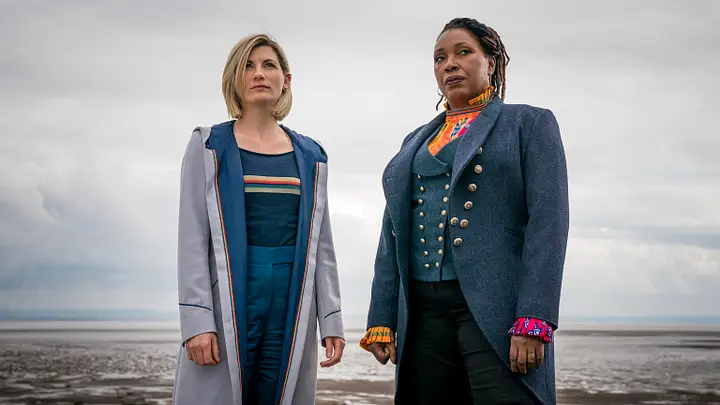
Former Doctor Who stars Jodie Whittaker and Jo Martin have both expressed their willingness to reprise their iconic roles if asked. Whittaker, who played the Thirteenth Doctor, said she would “always say yes” to returning.
Martin, known for her role as the Fugitive Doctor, confirmed, “If they need me, I’m there!”. . .
Current Status of Doctor Who . . .
The announcement comes during a transitional period for Doctor Who following the recent departure of showrunner Russell T Davies.
The BBC has confirmed the series is not canceled, but no new episodes are currently scheduled.
Actors’ Contributions and Ongoing Projects
Jodie Whittaker appeared as the Thirteenth Doctor in 33 episodes.
Jo Martin portrayed the Fugitive Doctor in 5 episodes.
Both actors remain active within the Doctor Who universe:
Martin’s Fugitive Doctor is set to return in the multimedia project Doctor Who: Circuit Breaker, which includes audio dramas, novels, and games.
Balancing Legacy and Innovation . . .
While the return of former Doctors can excite fans—such as David Tennant’s celebrated anniversary appearance—the show faces the challenge of balancing nostalgia with fresh storytelling.
Industry experts suggest that future success depends on innovative directions rather than relying heavily on past characters and familiar villains.
As Doctor Who navigates this period of change, the willingness of Whittaker and Martin to return offers promising options for the show’s leadership and creative evolution.
The BBC has opportunities to blend legacy talent with new ideas to keep the series vibrant and engaging for both longtime fans and new audiences.
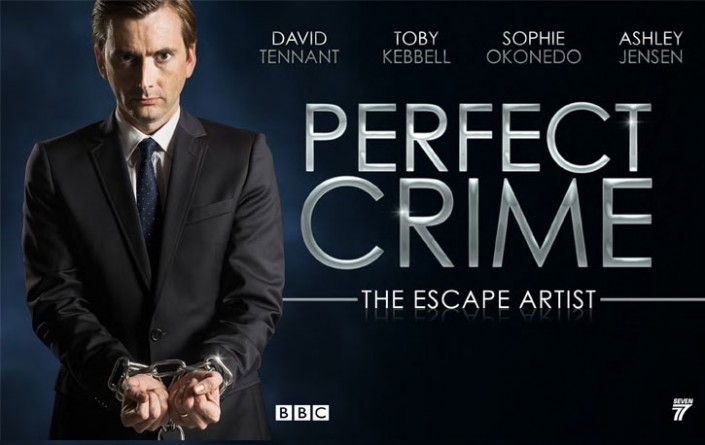
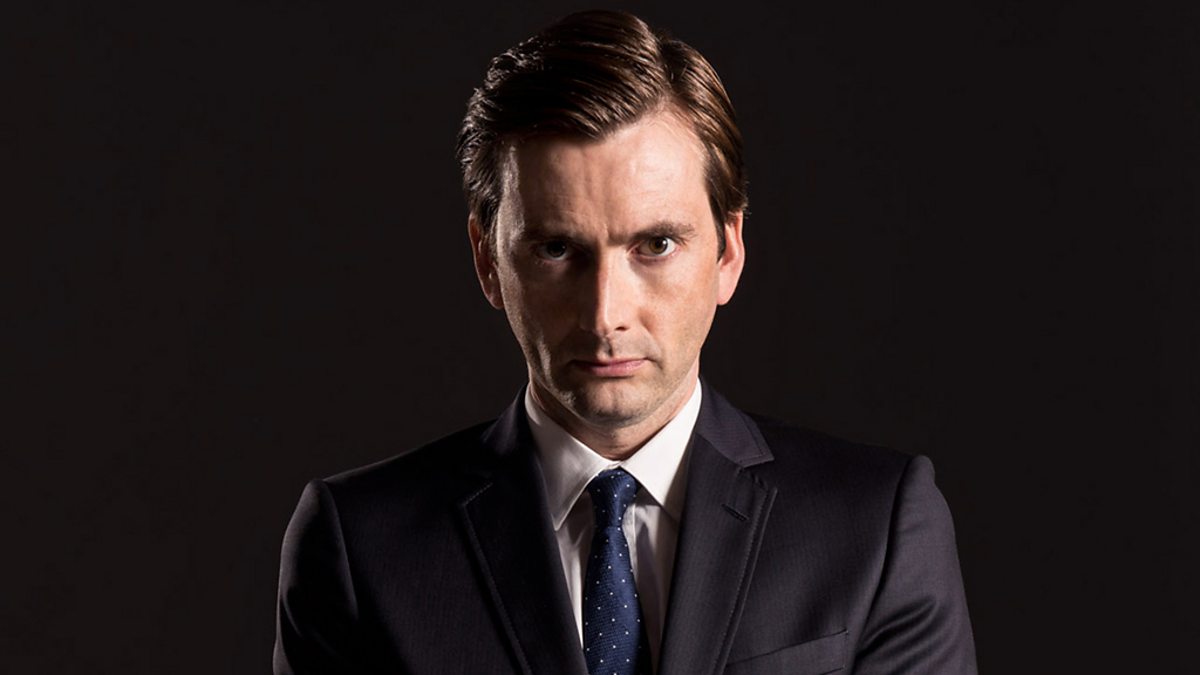
Doctor Who fans eager to see more of David Tennant beyond the TARDIS have a thrilling new reason to tune in. The Escape Artist, a critically acclaimed three-part legal thriller starring Tennant, is now streaming on ITVX and has been praised as “as captivating as Broadchurch,” making it a perfect pick for fans of intense drama and suspense . . .
Originally released in 2013, The Escape Artist features David Tennant as Will Burton, a brilliant barrister renowned for never losing a case. The story takes a dark turn when Will successfully defends a murder suspect, Liam (played by Toby Kebbell), who later begins to stalk Will’s wife, Kate (Ashley Jensen), leading to chilling consequences and a gripping finale that keeps viewers on the edge of their seats . . .
Critics have lauded the series for its tense atmosphere and strong performances, with The Guardian describing it as “creepy as hell” and “absolutely terrifying.” Fans on platforms like IMDb and Reddit echo these sentiments, highlighting the show’s suspenseful storytelling and emotional depth. Many viewers have drawn comparisons to Broadchurch, another hit drama featuring Tennant, praising The Escape Artist for its similarly compelling narrative and unforgettable twists . . .
At just three episodes, The Escape Artist is a compact yet powerful watch, ideal for those who want a high-quality thriller that can be enjoyed in one sitting. For Doctor Who enthusiasts, it offers a fascinating glimpse into Tennant’s range as an actor, showcasing his ability to portray complex, intense characters beyond his iconic role as the Doctor . . .
The Escape Artist features David Tennant as Will Burton
If you’re looking to dive into a captivating David Tennant thriller, The Escape Artist is available now on ITVX. Don’t miss the chance to experience one of Tennant’s most gripping performances outside of the Whoniverse.










 This brings us back to the Dean Devlin and David Tennant rumors.

 The official, legal window for real dialogue only opens once the Invitation to Tender (ITT) is formally published on the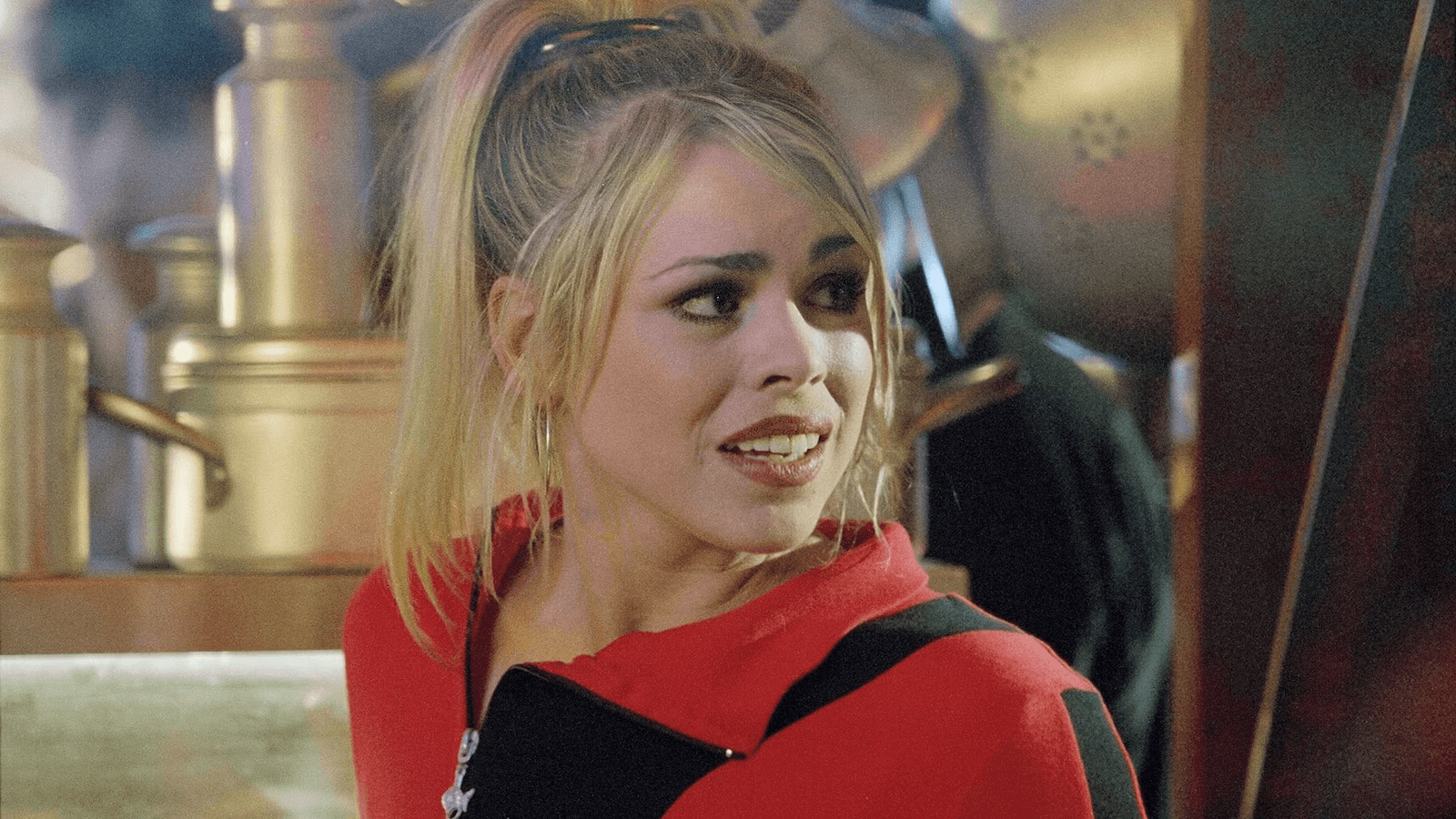

 Actors’ Contributions and Ongoing Projects