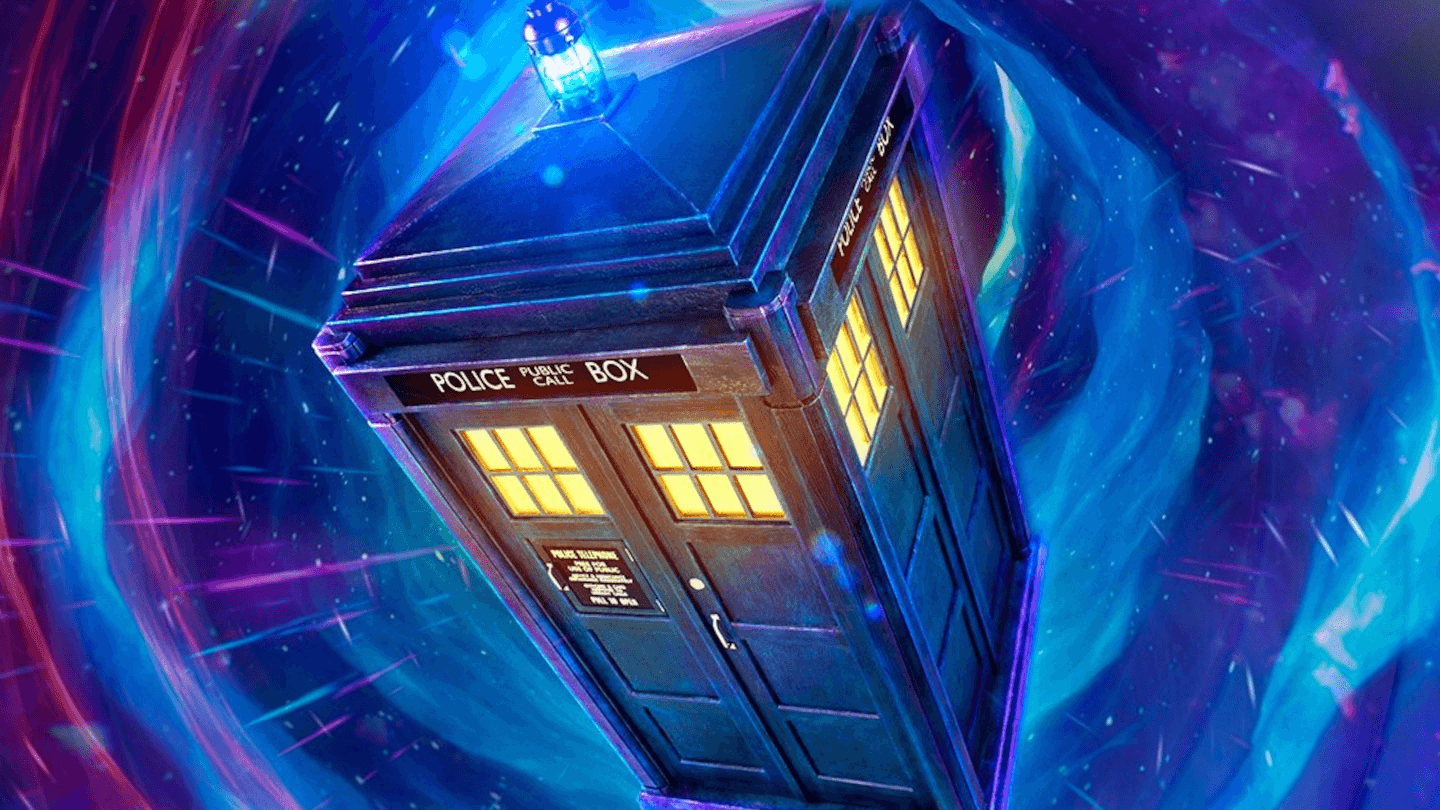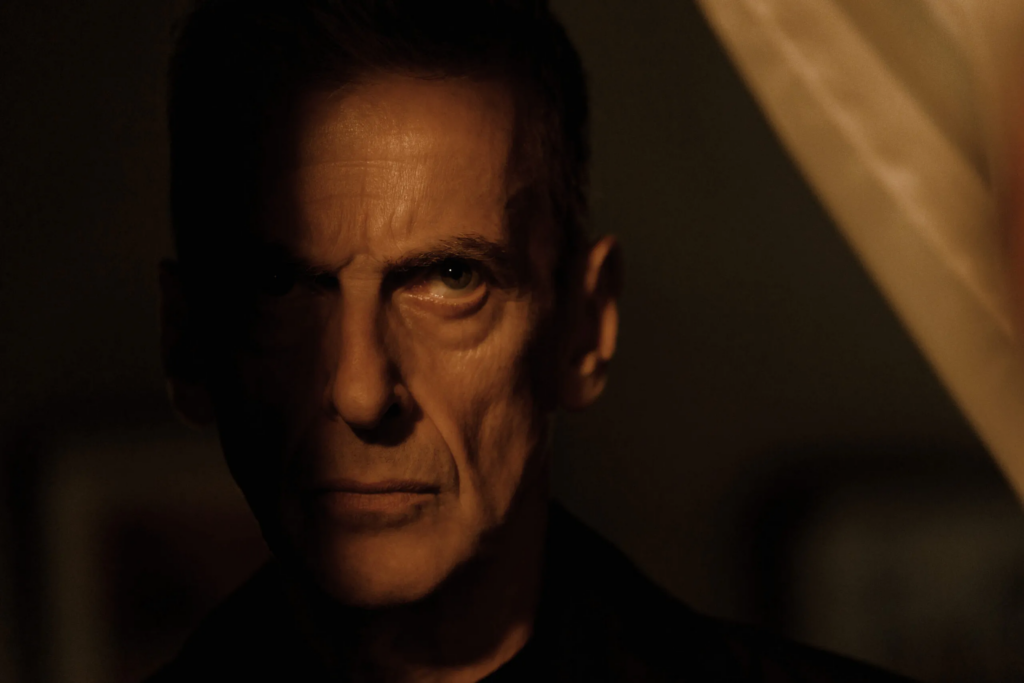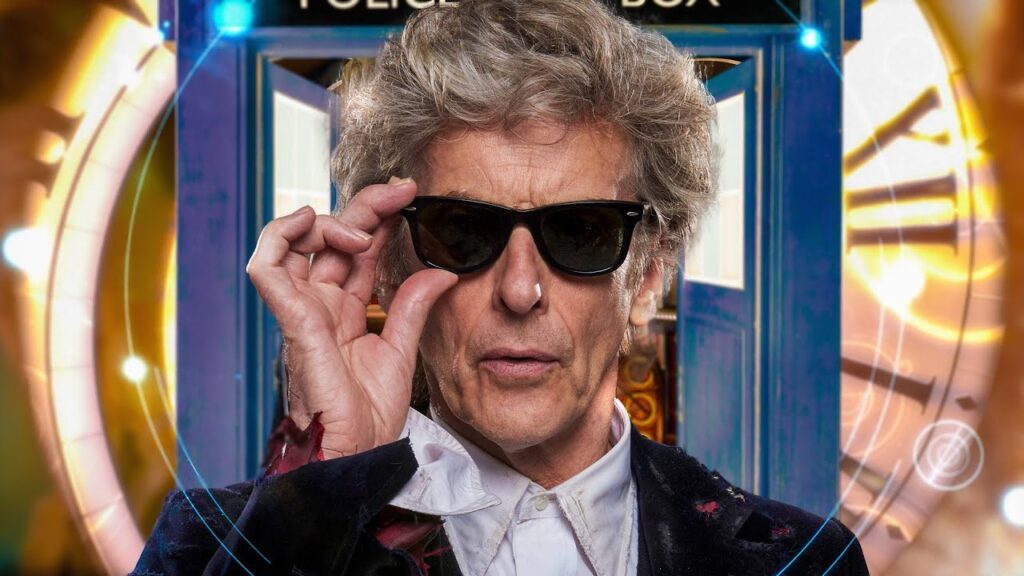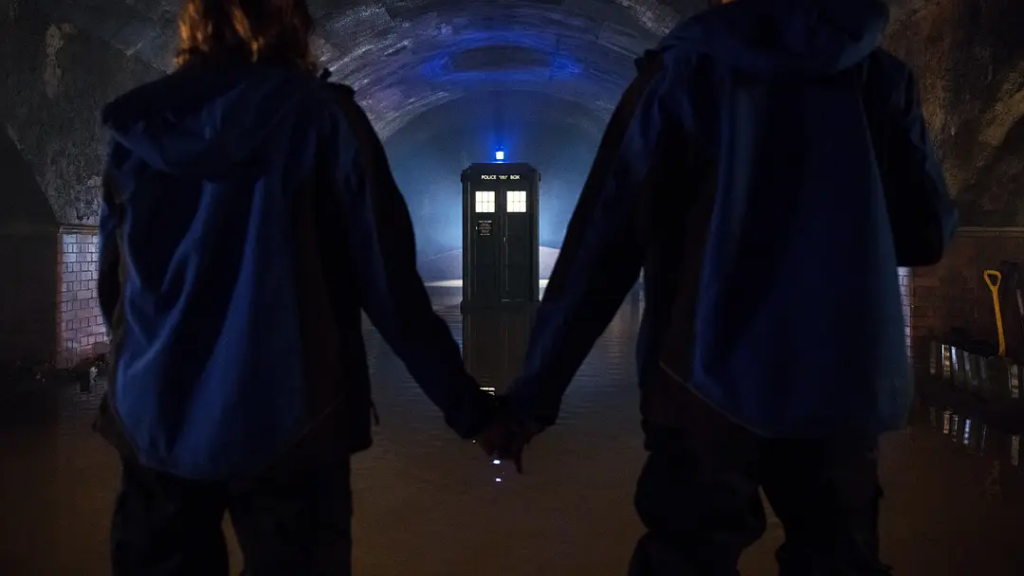





The iconic sci-fi series Doctor Who is facing an unprecedented period of uncertainty as the BBC initiates a competitive tender process to determine the future production of the show. This marks a significant shift in how the beloved franchise will be managed, as independent production companies are now invited to bid for the rights to produce upcoming episodes.
Following the departure of Russell T Davies and his production company Bad Wolf, who have been central to the show’s recent success, the BBC’s decision to open the franchise to external bidders signals a major institutional change. While this does not mean the show is cancelled, it does place Doctor Who on an indefinite hiatus, leaving fans wondering about the fate of current storylines, cast members, and the overall direction of the series.
The BBC will retain ownership of the intellectual property and distribution rights, but the winning production company will have considerable creative freedom, potentially reshaping the show’s narrative and format. Drawing from a recent precedent with the series Casualty, the tender process could conclude by late 2026, with new episodes unlikely to air before late 2027 or 2028 due to typical production timelines.
Fans were also disappointed by the cancellation of the planned Christmas special, which Russell T Davies confirmed never reached the scripting stage. The BBC explained that the special was deemed unnecessary once the competitive tender was underway.
From a creative perspective, this transition can be seen as a form of “regeneration” for the show itself—mirroring the Doctor’s own ability to transform while retaining core memories and identity. Interestingly, the show’s established limit of 12 regenerations was originally a governance decision rather than a biological constraint.
Doctor Who is entering a critical phase as the BBC launches a competitive tender process to decide which production company will take the helm of the iconic series next. This unprecedented move sets a timeline that fans and industry watchers should keep close attention to.
Timeline Overview:
Mid-2026: The BBC has officially begun the competitive tender process. This means independent production companies can submit bids to produce the next era of Doctor Who. The BBC retains ownership of the show’s intellectual property and distribution rights but will hand over creative control to the winning bidder.
Late 2026: Based on recent precedents, such as the tender process for the BBC series Casualty in 2025, the BBC is expected to announce the winning production company by the end of 2026. This decision will shape the future direction, cast, and format of the show.
2027 to 2028: Given typical production timelines for a series like Doctor Who, new episodes are unlikely to air before late 2027, with 2028 being a more realistic target for the show’s return. This accounts for the time needed for pre-production, scripting, casting, filming, and post-production.
Current Status: No episodes are currently in production, and the previously planned Christmas special has been cancelled. Russell T Davies confirmed that no script was written for the special, which was shelved once the tender process was confirmed.
This timeline means Doctor Who is effectively on an indefinite hiatus during this transition period. Fans should prepare for a wait but can remain hopeful that the show will return refreshed under new creative leadership.
The BBC’s tender process represents a significant institutional “regeneration” for the franchise, echoing the Doctor’s own ability to transform while retaining core identity. While the show’s future details remain uncertain, this timeline provides a clear framework for when new developments and episodes might emerge.
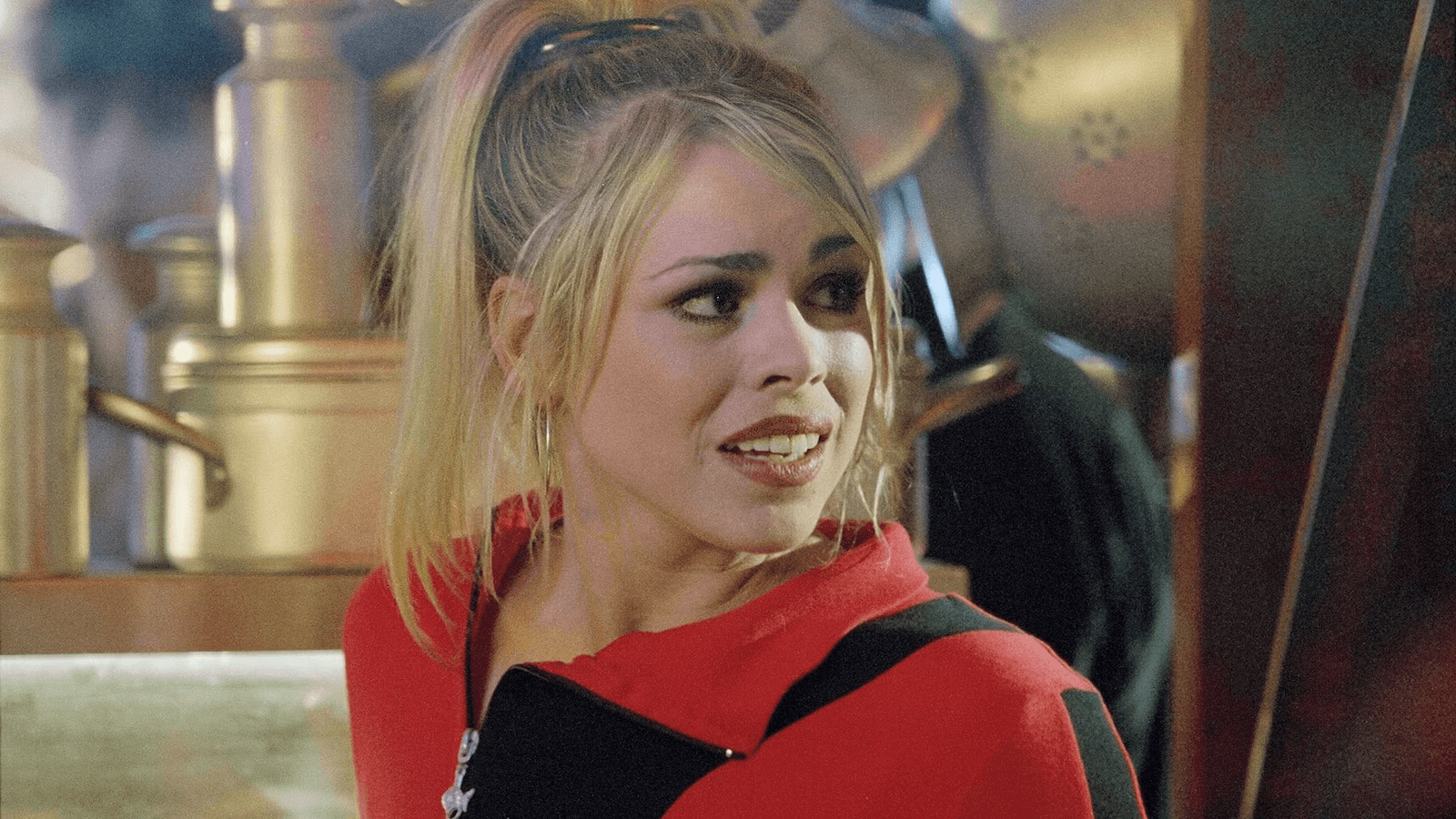
Billie Piper is officially returning to the Doctor Who universe this summer — not on television, but in a new audio adventure from Big Finish Productions as the long-running TV series remains on indefinite hiatus.
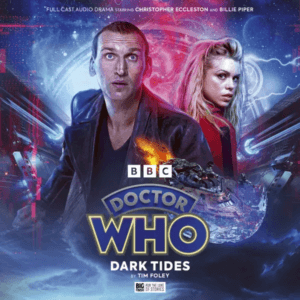
Big Finish has opened preorders for The Ninth Doctor Adventures: Dark Tides, the seventh of a planned 12 installments in its current Ninth Doctor audio run. Due in August, the release reunites Piper with Christopher Eccleston, who portrays the Ninth Doctor in these audio adventures.
Eccleston, who initially resisted any post-2005 revival appearances on screen, has been reprising his role in audio form since 2021.
Dark Tides follows the Doctor and Rose after they depart Earth and find themselves drawn into a mission involving the Knight of Atlas and the mystery of the vanished mapping ship Vesterbold. According to the official synopsis, the pair search for the long-lost vessel that sailed beyond charted space.
Writer Tim Foley and director Helen Goldwyn characterize the story as a dark, atmospheric tale — Goldwyn calling it a “brutal, gothic space adventure” that leans on folk-tale and medieval influences with a hint of pirate-story energy.
The episode’s guest cast includes Doon Mackichan as Dr. Vivian Rest, Ben Arogundade as Sir Cal, Sam Stafford as squire Mervyn, and David Shaw-Parker as Holbrook. Camille Coduri — who has returned as Jackie Tyler in previous Big Finish releases — is also part of recent audio continuity involving Rose.
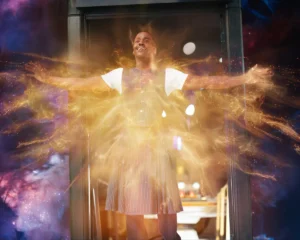
Piper’s participation in the current TV era of Doctor Who is already notable: she made a surprise appearance late in the TV series’ most recent season when Ncuti Gatwa’s Fifteenth Doctor briefly regenerated into a Rose-like form, marking Piper’s first on-screen return since 2013. However, the franchise’s immediate television future is uncertain.
Plans for a 2026 Christmas special were abandoned, and showrunner Russell T. Davies along with production company Bad Wolf have departed the series. The BBC has since put the program up for competitive tender, leaving both the show’s timetable and Piper’s potential future TV involvement unclear.
For fans eager to hear Rose and the Ninth Doctor together again, Dark Tides offers a timely audio reunion while the televised series undergoes an uncertain pause.
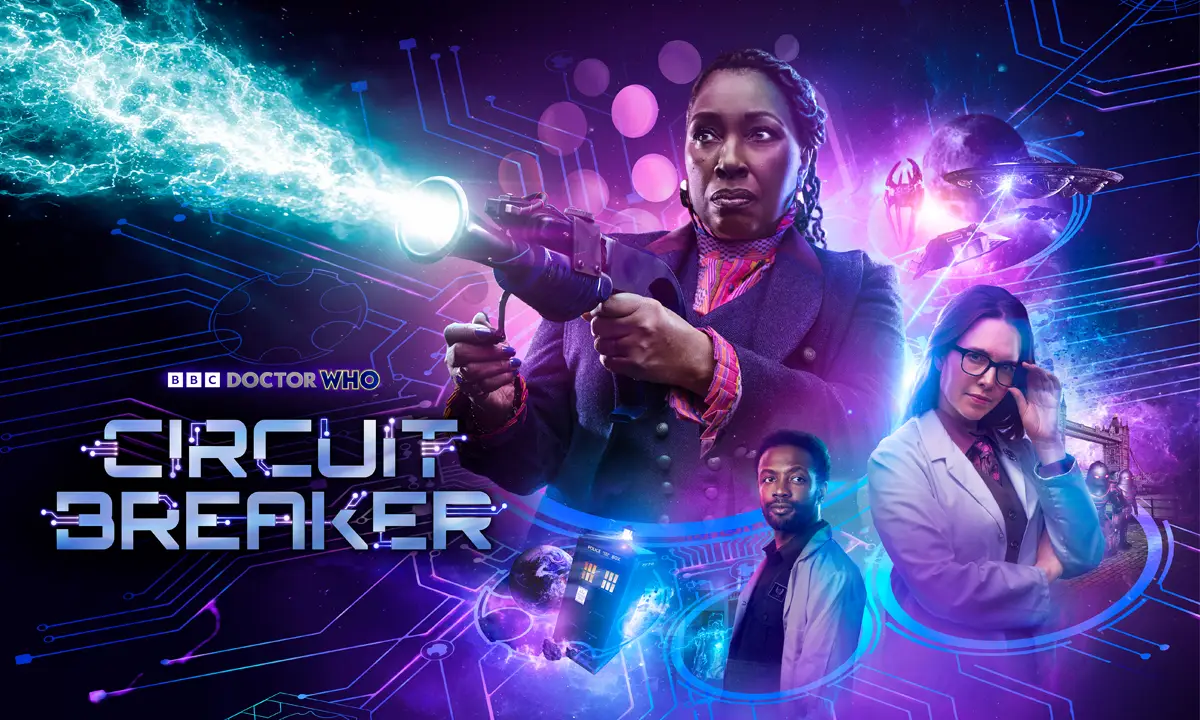
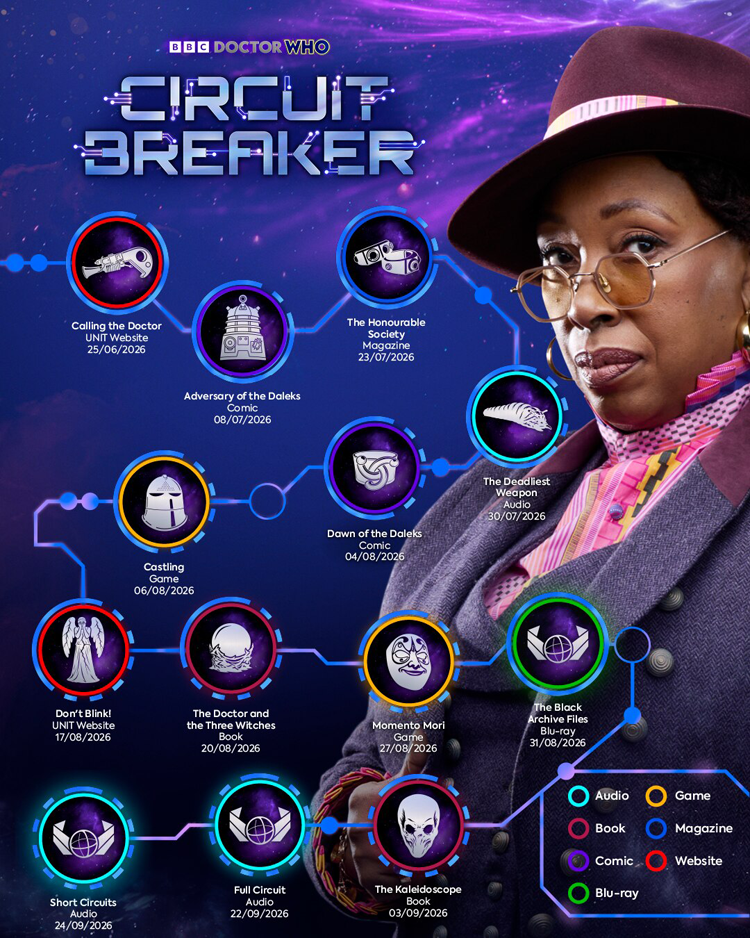
First chapter of multi‑platform DOCTOR WHO event Circuit Breaker launches on UNIT site . . .
Fans can begin a major new Doctor Who storyline today . . .
The opening chapter of Circuit Breaker is now live on the UNIT website . . .
The multi‑platform event centres on the Fugitive Doctor (Jo Martin) and will unfold across comics, books, audio, games and digital releases throughout the summer . . .
The UNIT launch chapter, written by Esmie Jikiemi‑Pearson, follows newly appointed Head of the Black Archive Osgood (Ingrid Oliver) and her assistant Andrew (Omari Douglas).
When objects from the Archive are suddenly pulled through time and space, they bring with them a dangerous energy signature that threatens to rip reality apart — forcing Osgood and Andrew to call in the one person who might help: the Fugitive Doctor . . .
This isn’t a run‑of‑the‑mill crisis. As the Doctor confronts long‑time foes including the Daleks, Cybermen, Sontarans and a rogue Weeping Angel, hidden forces and uneasy truths begin to surface . . .
Trust between UNIT and the Doctor frays as those who once idolised her start to wonder whether she is the Time Lord they thought they knew . . .
Circuit Breaker is being delivered as a connected story across multiple partners and formats — comics, magazines, audiobooks, games, children’s and adult books, and Big Finish releases — giving fans many ways to follow the full narrative.
Full release schedule . . .
25 June: UNIT website — “Calling the Doctor” by Esmie Jikiemi‑Pearson (launch chapter)
8 July: Titan Comics — “Adversary of the Daleks” by Dulce M. Montoya & Dan Watters; art by Roberta Ingranata & Sami Kivelä
23 July: Doctor Who Magazine (issue 632) — “The Honourable Society” by Jason Quinn; art by Anthony Williams
30 July: BBC Audiobooks (Audio Original) — “The Deadliest Weapon” by Steve Lyons, narrated by Jo Martin; David Banks appears as the Cyber‑Leader
4 August: Titan Comics — “Dawn of the Daleks” by Dulce M. Montoya & Dan Watters; art by Roberta Ingranata & Sami Kivelä
22 September: Big Finish — audio story “Full Circuit” by Robert Valentine
24 September: Big Finish — two audio shorts (Short Circuits), including “Battleships” and “Get Rich or Die Trying” (creative credits include Alex Hewitt and contributions from Natasha Siegel)
Circuit Breaker promises a summer of interconnected Doctor Who storytelling, with Jo Martin’s Fugitive Doctor at the heart of a mystery that reaches across formats.
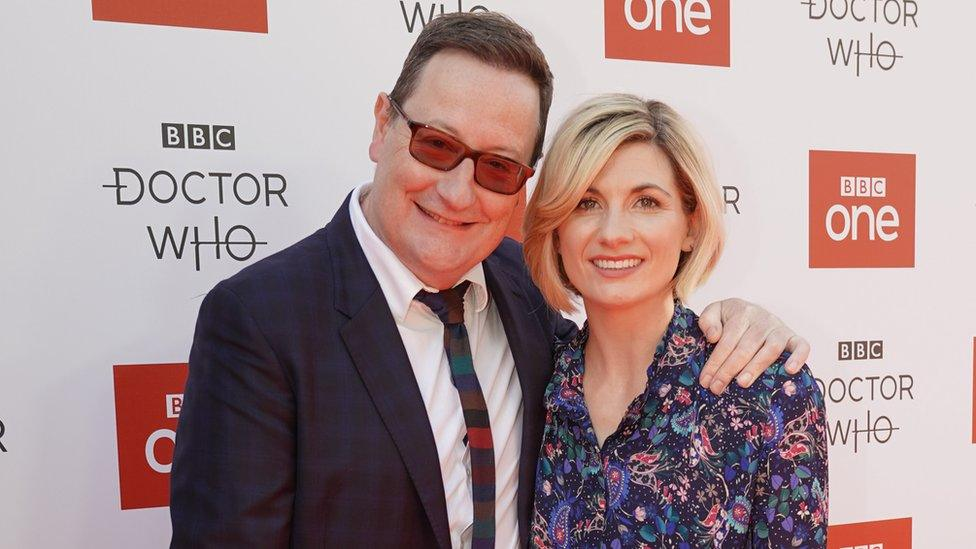
Chris Chibnall’s time running Doctor Who left many fans divided . . .
While not every story from his tenure was a failure, his era often felt safe and middle-of-the-road, and the Timeless Child storyline in particular remains controversial . . .
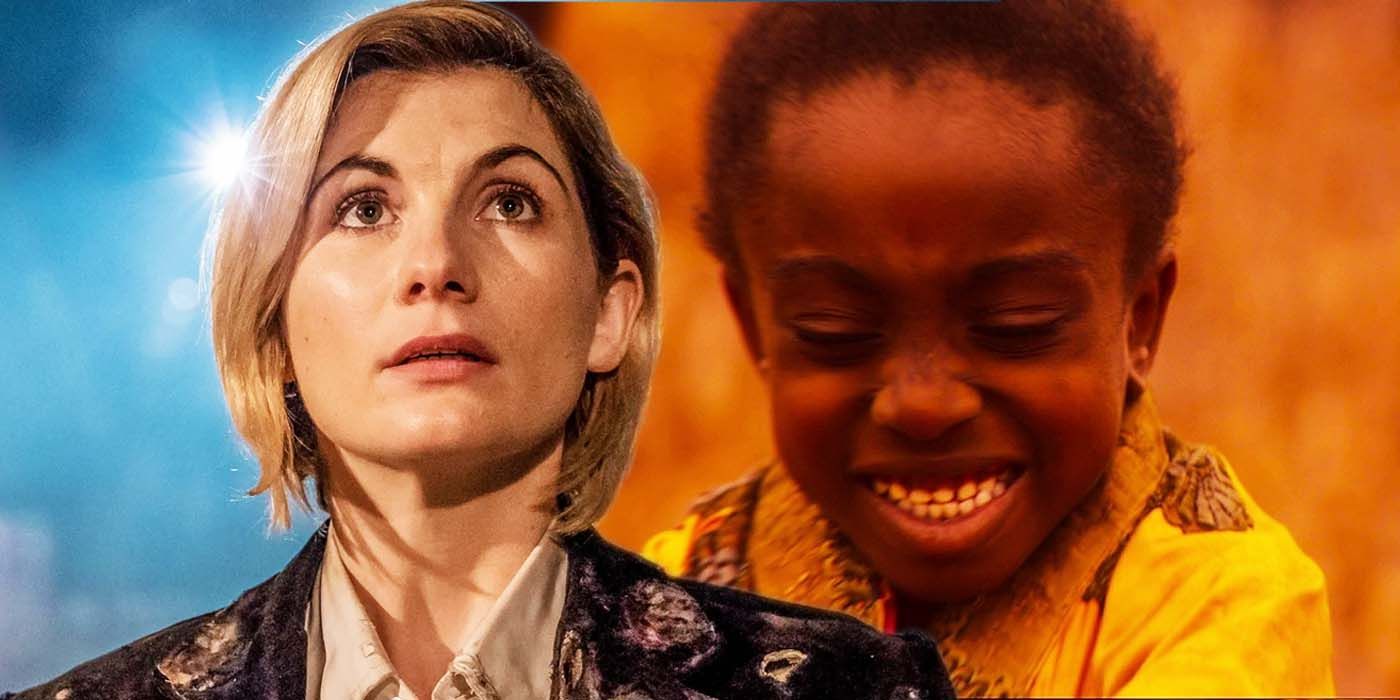
Given Chibnall’s history working with Jodie Whittaker on Broadchurch, his decision to cast her as the Thirteenth Doctor made sense — but that casting nearly didn’t happen the way it did . . .
Peter Capaldi recently revealed that when Steven Moffat stepped down, there were conversations about the show’s future that didn’t sit well with him. Capaldi considered staying on for at least one more season, which would have made him the first Doctor in the modern revival to serve under two different showrunners . . .
Ultimately he chose to leave, but had he stayed, the early phase of Chibnall’s leadership could have looked very different . . .
If Chibnall had taken over with Capaldi still in the TARDIS, there would have been no need for the soft reboot that comes with a regeneration . . .
The 2018 premiere, “The Woman Who Fell to Earth,” was written as a jumping-on point for viewers meeting a new Doctor; continuing Capaldi’s story would have required a different approach and likely avoided overtly reintroducing the lead . . .
Even so, Chibnall’s distinct production choices — from changes in visual style to hiring Segun Akinola in place of Murray Gold — would have marked his era as noticeably different from Moffat’s . . .
Casting repercussions could also have followed. Jodie Whittaker took on other work after her time on the show; if Capaldi had remained longer, she might not have been available when the role next opened . . .
That raises the possibility that the Thirteenth Doctor might have been someone else entirely, reshaping the show’s direction yet again . . .
In short, Capaldi’s decision to leave opened the path for Chibnall to introduce a new Doctor and a new creative tone. Had he stayed, Doctor Who’s landscape in the late 2010s — from storytelling to casting — could have been significantly altered.
But without a time machine, we’ll never know for sure.
With Russell T Davies stepping back and Bad Wolf no longer producing, the BBC has officially put the future of Doctor Who up for grabs in 2026. This shake-up could bring major changes to the show’s budget, episode count, and production style — including the possibility of replacing the traditional showrunner role with a writers’ room.
We’ve gathered the top 14 contenders Doctor Who fans and insiders believe could take the helm next. . .
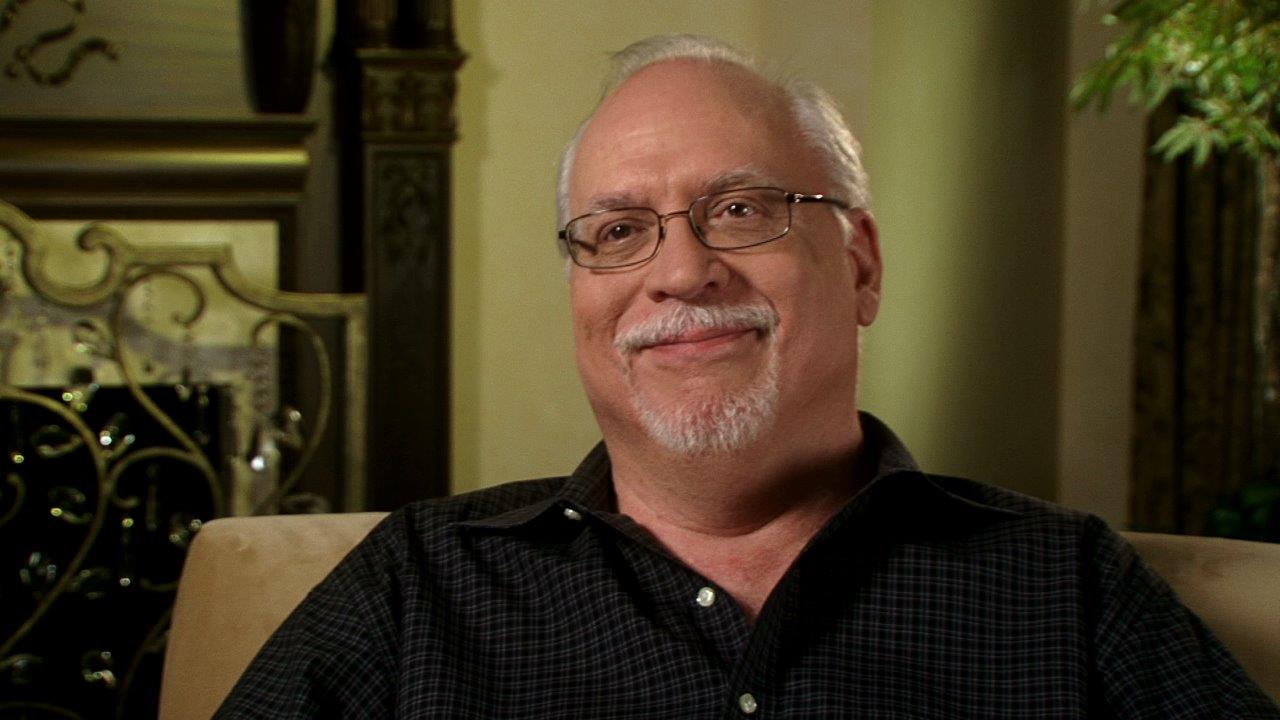
(1). J. Michael Straczynski – Legendary sci-fi creator behind Babylon 5 and Sense8, a fan favorite.
(2). Steven Moffat – Former Doctor Who showrunner with a strong legacy; some fans want his return.
(3). Nicholas Briggs / Big Finish – Audio drama veterans deeply familiar with Doctor Who lore.
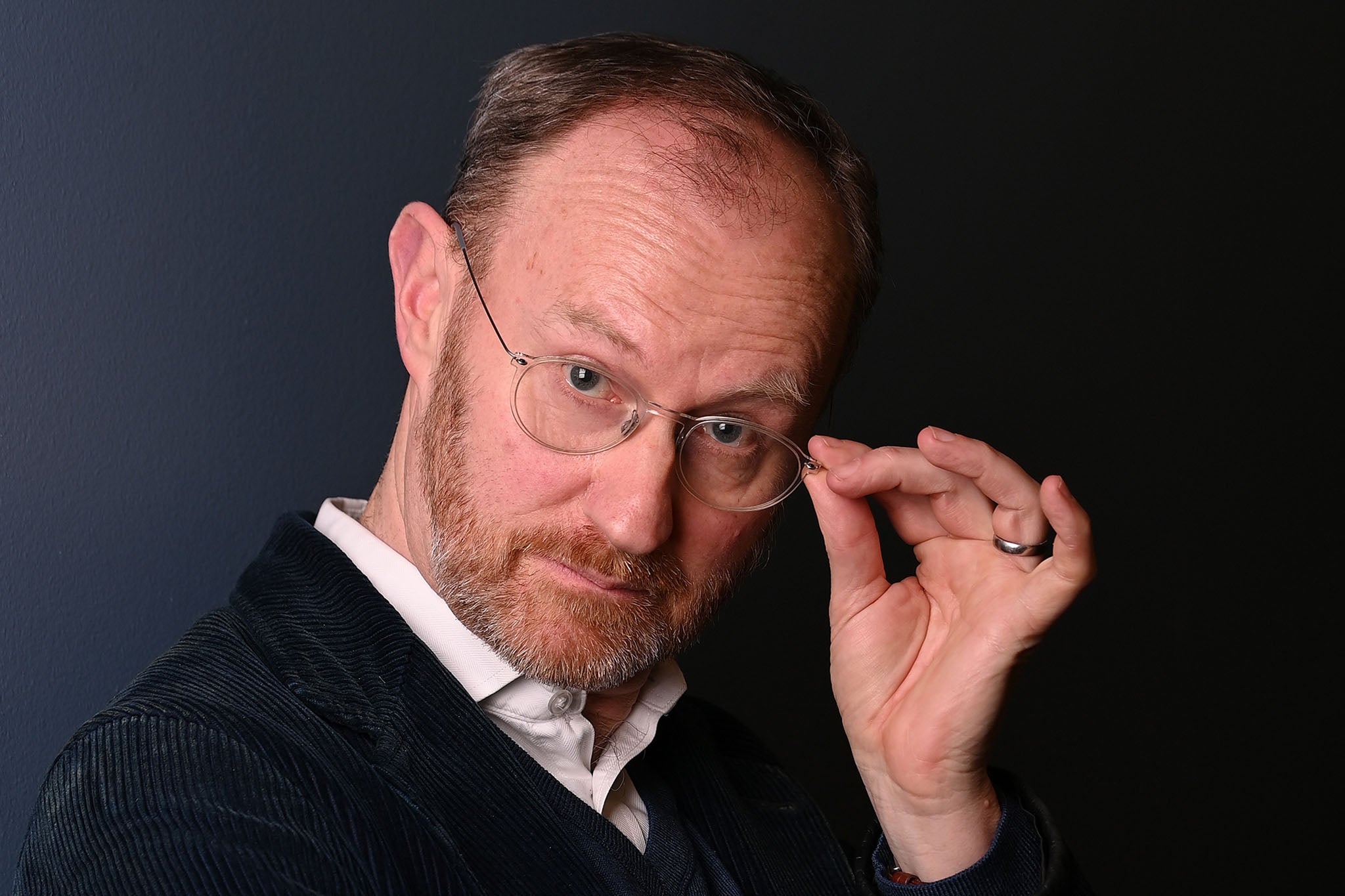
(4). Mark Gatiss – Longtime writer and actor within the Doctor Who universe, a trusted insider.
(5). Toby Whithouse – Writer of several standout episodes, a perennial contender.
(6). Joe Barton – Versatile writer-producer known for The Lazarus Project, seen as a strong candidate for a fresh reset.
(7). Jack Thorne – Acclaimed showrunner of His Dark Materials, praised for his dramatic storytelling.
(8). Tony Gilroy – Known for grounding Andor in realism, suggested as an outsider who could bring a new tone.
(9). Kate Herron & Briony Redman – A dynamic directing and writing duo with recent Doctor Who experience, blending insider knowledge with fresh perspective.
(10). Ronald D. Moore – Renowned for reinventing Battlestar Galactica, valued for his ability to modernize sci-fi classics.
(11) Joe Cornish – Filmmaker behind Attack the Block, seen as someone who could root Doctor Who in British culture while keeping its heart.
(12). Chris Clenshaw – Praised for revitalizing EastEnders, suggested to bring strong character-driven realism to the companions’ stories.
(13). Grant Morrison – Advocates for a fresh approach that maintains the show’s unique charm without relying heavily on extensive lore or backstory.
Wild Card . . .
(14). Neil Gaiman – A lifelong fan of the franchise and has contributed two highly memorable episodes for the Eleventh Doctor. However the acclaimed author has explicitly ruled himself out on multiple occasions, stating that the demanding, all-consuming nature of running the show would leave him with no time for anything else.
The debate continues between those who want a showrunner steeped in Doctor Who lore and those eager for a bold outsider to refresh the series. Whatever happens, the next era of Doctor Who promises exciting changes.
Stay tuned to @TheDailyDalek for all the latest updates on the Doctor Who showrunner race and more!
Peter Capaldi’s Departure from Doctor Who: Concerns Over the Show’s Future Direction . . .
Peter Capaldi’s era as the Twelfth Doctor remains one of the most memorable and widely discussed periods in Doctor Who history . . .
Recently, Capaldi opened up about the reasons behind his decision to leave the iconic sci-fi series, revealing that concerns about the show’s future direction played a significant role . . .
In interviews, Capaldi explained that the departure of key collaborators, including lead writer Steven Moffat, companion Jenna Coleman, and producer Brian Minchin, created uncertainty about the show’s creative path. . . .
He expressed that these individuals were instrumental in shaping the series during his tenure, and their exit made him question whether the show would continue in a direction he supported . . .
Additionally, Capaldi highlighted how the increasing frequency of the Doctor’s regenerations has impacted the emotional weight of these pivotal moments . . .
He believes that while regeneration is a core and captivating element of Doctor Who, its overuse has lessened its dramatic effect, making it feel less special than in earlier seasons. . . .
Capaldi also reflected on how the show’s growth into a major BBC brand has changed the responsibilities and pressures on actors playing the Doctor . . .
This evolution has influenced how performers approach the role and engage with the public . . .
Since leaving Doctor Who in 2017, Peter Capaldi has continued to build a successful career in film and television, starring in projects such as The Suicide Squad and acclaimed drama series.
Former Doctor Who stars Jodie Whittaker and Jo Martin have both expressed their willingness to reprise their iconic roles if asked. Whittaker, who played the Thirteenth Doctor, said she would “always say yes” to returning.
Martin, known for her role as the Fugitive Doctor, confirmed, “If they need me, I’m there!”. . .
Current Status of Doctor Who . . .
The announcement comes during a transitional period for Doctor Who following the recent departure of showrunner Russell T Davies.
The BBC has confirmed the series is not canceled, but no new episodes are currently scheduled.
Actors’ Contributions and Ongoing Projects
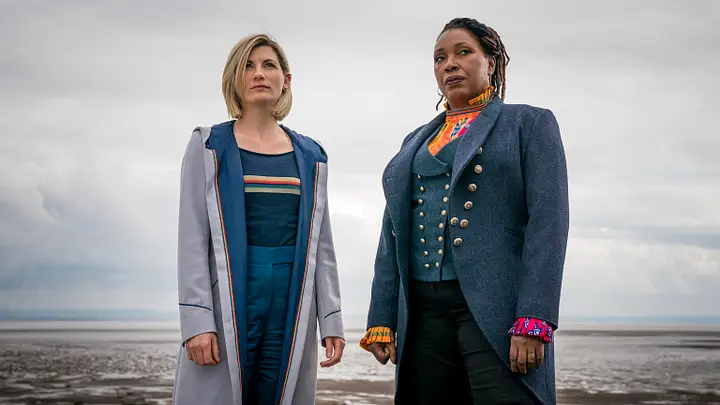
Jodie Whittaker appeared as the Thirteenth Doctor in 33 episodes.
Jo Martin portrayed the Fugitive Doctor in 5 episodes.
Both actors remain active within the Doctor Who universe:
Martin’s Fugitive Doctor is set to return in the multimedia project Doctor Who: Circuit Breaker, which includes audio dramas, novels, and games.
Balancing Legacy and Innovation . . .
While the return of former Doctors can excite fans—such as David Tennant’s celebrated anniversary appearance—the show faces the challenge of balancing nostalgia with fresh storytelling.
Industry experts suggest that future success depends on innovative directions rather than relying heavily on past characters and familiar villains.
As Doctor Who navigates this period of change, the willingness of Whittaker and Martin to return offers promising options for the show’s leadership and creative evolution.
The BBC has opportunities to blend legacy talent with new ideas to keep the series vibrant and engaging for both longtime fans and new audiences.
That breakdown led many fans to expect that the spin-off would eventually stream on Disney+ internationally . . .
BBC Press Release Pointed to an Early 2026 Release . . .
Although Disney+ has never publicly announced a firm release date for the spin-off, an earlier BBC press release reportedly said that The War Between the Land and the Sea would stream on Disney+ in early 2026.
With June now here and no listing on the service, that window appears to have passed.
Has Something Changed Behind the Scenes?
At this stage, there has been no official explanation from Disney+ about the delay.
The lack of a release date has led to fresh questions over whether anything has changed in the BBC and Disney+ arrangement for Doctor Who and its related projects. It is not yet clear whether the streamer still plans to carry the series internationally.
Doctor Who Streaming Rights Are Becoming More Complicated . . .
The situation is made more interesting by the fact that, in the United States, Doctor Who Series 1 to 13 (2005–2022) is set to stream on AMC+ from June.
That move highlights how Doctor Who streaming rights are now split across different platforms depending on the era and region, which may be adding to confusion for viewers.
Fans outside the UK who want to see the series can also import the DVD or Blu-ray from UK retailers, although international buyers should remember that the Blu-ray release requires Region B-compatible hardware.
The Current Position . . .
As things stand, The War Between the Land and the Sea has still not been added to Disney+, despite earlier expectations of an early 2026 debut.
Until Disney+ or the BBC provides an update, the international streaming future of the Doctor Who spin-off remains uncertain.
Showrunners reveal long-running talks after TARDIS Easter egg appeared in season three.
Star Trek: Strange New Worlds showrunner Akiva Goldsman has confirmed that prolonged conversations took place with Russell T Davies about a potential Doctor Who crossover. Goldsman said the two creative teams “were trying with Russell to do a crossover” and that talks continued for years, calling them “near misses” but noting they had “some really cool conversations” about bringing the worlds together . . .
The possibility followed an Easter egg in Strange New Worlds season three, when the TARDIS briefly appears in the background of a scene aboard the USS Enterprise and Commander Pelia — played by Carol Kane — drops a line implying she has encountered a time‑travelling doctor. Co-showrunner Henry Alonso Myers defended the hint as consistent with Pelia’s character, saying she’s had “many adventures” and a long, complicated history . . .
Separately, the BBC has announced it will put Doctor Who out to competitive tender as part of plans to secure the show’s next phase in line with its Charter. In a joint decision with Russell T Davies and production company Bad Wolf, the previously announced Doctor Who Christmas episode will not go ahead; the broadcaster said the move aims to prioritise investment in the series’ long‑term future . . .
Davies, who returned to Doctor Who in 2023 after previously serving as showrunner, has said he’s “excited as anyone to see what comes next,” teasing on social media that elements such as the theme tune, the blue box and classic villains are “all up for grabs” as the franchise moves forward.
Doctor Who Magazine issue #630 is set to give the Daleks centre stage, with a new issue packed with features exploring the history, legacy and continuing appeal of the Doctor’s most iconic enemies . . .
Among the highlights is a feature on Brian Hodgson, the pioneering sound designer behind the unmistakable Dalek voice and the famous sound of the TARDIS.
The issue also includes an interview with Nicholas Evans, known for operating a Dalek, as well as Mickey Lewis, who looks back on portraying both a Dalek and a Dalek zombie in 2012.
Elsewhere, issue #630 turns its attention to Doctor Who: The Movie with coverage tied to its upcoming 4K Ultra HD release. That section includes discussion of the Eighth Doctor, Paul McGann, along with contributions from Alan Yentob, who reflects on his involvement in the programme’s return, and Richard Hudolin, who discusses the memorable design of the TV movie’s TARDIS interior . . .
The issue also contains the magazine’s regular news, reviews and fan-focused sections, including Gallifrey Guardian, Circuit Breaker and Other Worlds, plus prize giveaways and coverage of new expanded universe releases . . .
Doctor Who Magazine #630 is due to go on sale Thursday 28 May in the UK, priced at £8.99, with a digital edition also available for £7.99.